Like so many other trends, the shift toward conducting doctors’ visits online rather than in person became much more prevalent during the COVID-19 pandemic, and its popularity continued afterward. During the pandemic, the measure was seen as a viable way to protect the health of both patients and healthcare providers. After the pandemic, it has been viewed by many primarily as a cost-cutting measure. Doctors can squeeze more visits into the schedule when there is no actual physical exam.
Patients also save a certain amount, since they do not need to take time off or spend money on transportation. But many would prefer to see a doctor in person because the doctor can gain a much more complete understanding of your condition by examining you up close.
Since telemedicine is more than a passing fad, it is important to understand how to deal with it effectively. For injured employees in Pennsylvania, that means understanding how it fits in with the workers’ compensation scheme in our state. When you work with an experienced attorney during the claims process, your lawyer can provide specific advice about telemedicine visits and how to ensure that you receive appropriate care that is covered under the program. Here we provide some general information for background purposes.
Section 4802 of Title 40 in the Pennsylvania Consolidated Statutes defines telemedicine as health care services “delivered” to a patient who is at a different location than the provider in one of three ways:
A synchronous interaction is an exchange of information between a patient and a provider that takes place in real time via audio or video conferencing. By contrast, asynchronous interactions are those in which information is exchanged between patient and provider through a method where the communication does not occur in real time. The collection of information in an electronic patient portal and the transmission of images or other information via secure means are examples of asynchronous interaction.
Remote patient monitoring occurs when data is collected from a patient and transmitted electronically to a care provider at another location. All forms of telemedicine are expected to comply with the Health Insurance Portability and Accountability Act of 1996 (HIPAA).
Section 4803 of this statutory chapter specifies that health insurance policies in Pennsylvania must provide coverage for health care services provided through telemedicine when those services are “medically necessary.” A service may not be excluded from coverage simply because it is provided via telemedicine.
While care provided via telemedicine can be covered under the medical benefit available through workers’ compensation, the insurance company still retains considerable control over what is allowed and what is not. As with in-person visits to a provider, injured workers are generally expected to receive care from an employer-approved provider, regardless of whether the visit is in person or through telehealth. Services provided via telemedicine are supposed to be compensated at the same rate as in-person services, so to ensure coverage by the workers’ comp insurer, it is important to confirm that the insurer has provided the necessary approval.
In-person services may be required in some situations, particularly if an insurer wants to verify an employee’s ability to return to work. An attorney can help determine whether an insurer is being unreasonable in denying telehealth coverage or insisting that an injured worker receive telemedicine care if the employee would prefer in-person treatment. Remember that telemedicine must be provided through means that comply with HIPAA requirements, and the service must meet the same standards of care as in-person treatment.
Seeing a healthcare provider remotely can enable an injured worker to receive more consistent care by avoiding transportation-related stress, which can aggravate injuries and cause hardship. It can also allow a worker to see a specialist more easily.
However, telemedicine does not provide a hands-on physical exam and, for that reason, does not offer a thorough means of assessing orthopedic or neurological injuries. That can allow insurers to claim that a workers’ injuries are not properly documented, and provide grounds for denying benefits. Problems with the quality of a telehealth medical evaluation can also be exacerbated by technical problems.
To ensure a claim is not denied, or benefits are not discontinued prematurely, workers receiving care via telemedicine should document their care. This could include:
These steps can provide evidence that you are receiving care that complies with requirements.
The insurance companies that provide workers’ compensation coverage are always looking for reasons to deny claims or discontinue benefits. Their profits go up when they provide fewer benefits to claimants. Injured workers generally need to fight a long battle to get the full benefits that they should receive through the workers’ comp program.
If you need to file a claim or your claim has been denied, an experienced workers’ compensation attorney at Vanasse Law may be able to help. We focus our practice on workers’ comp claims, so we understand the issues with a depth of knowledge few firms can match. For a free consultation to learn how we can help you receive the medical benefits that matter most, call us at 717-397-1010 or contact us online now.
30 East Roseville Road, Suite C
Lancaster, PA 17601
Phone: 717-397-1010
Office Hours:
After Hours: 717-471-2168
Fax: 717-397-2644
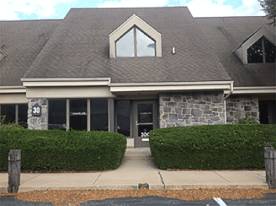
Vanasse Law LLC is conveniently located just north of center city Lancaster just off Route 30. We are in Sterling Center just off Lititz Pike/Route 501. Our office has plenty of free parking and is handicapped accessible.
Located in Lancaster, Pennsylvania, Vanasse Law LLC serves injured workers throughout Lancaster County and surrounding communities.
© 2018 by Vanasse Law LLC. All rights reserved. Sitemap | Disclaimer | Privacy Policy