If you are receiving benefits through the Pennsylvania workers’ compensation system, you might be told that you are expected to go through an IRE or Impairment Rating Evaluation. While this is no immediate cause to panic, it should cause you to take note, because it indicates that the insurance company is looking for a way to reduce the amount they are currently paying because of your inability to work. It is important to understand how to safeguard your rights during and after the IRE process.
Pennsylvania law provides certain protections to workers injured on the job, but they can easily forfeit their rights without realizing it, leaving them with no opportunity to recover what they have lost. A Lancaster job injury lawyer can answer specific questions about what to do in your particular situation, but here are some general facts about IREs to keep in mind as you approach the process.
An Impairment Rating Evaluation is a medical exam, like an IME (Independent Medical Examination), but performed for a different purpose. Insurance companies ask injured workers to undergo an IRE to assess the worker’s condition and determine whether they have reached the maximum level of medical improvement that can be expected. Pennsylvania maintains a listing of approved physicians authorized to perform the exam. Generally, the worker does not have a say in choosing the doctor.
The physician conducting an IRE will be determining whether your medical condition is likely to improve any further or whether your recovery has essentially stalled. If the doctor decides that you have recovered as much as you’re going to, they will rate your condition. This rating will produce a “whole body impairment” percentage number based on guidelines established by the American Medical Association. The percentage rating describes your legal level of impairment stemming from the work injury. An impairment is defined as a “significant loss” in the use of a body part or function.
If the doctor determines that you are still recovering and have not yet reached your maximum medical improvement, then the doctor will write up that finding and will not assign an impairment rating. However, the employer has the right to request additional IREs in the future. If a worker refuses to attend an IRE, they can lose the right to receive workers’ compensation benefits.
Insurance companies request IREs to justify reducing or terminating benefits, so it is always important to approach these exams with caution. An insurer may request an IRE after a worker has received total disability benefits for 2 years (104 weeks). If the doctor reports that a worker has an impairment rating of 35%, then total disability benefits will continue. However, if the impairment rating is less than 35%, the status of benefits changes from total disability to partial disability. There is even the potential for the insurer to discontinue benefits completely.
When a change from total to partial disability occurs, the amount of weekly benefits remains the same, but the duration of benefits will be limited. Workers with total disability status can continue to collect benefits indefinitely, but those with partial disability status are limited to 500 weeks of benefits. This limitation affects future payments and reduces the amount a worker may be offered in a lump-sum settlement.
The insurance company requests IREs for its own potential benefit, and it generally chooses the physician who will conduct the exam. That means the doctor is working for the insurance company and is aware that they owe allegiance to the insurer to continue receiving business from the company. That allegiance often causes doctors conducting IREs to look for factors that justify reporting in favor of the insurance company.
If an IRE results in a change from total disability to partial disability status, you have the right to challenge the finding, although it can be difficult to do this successfully without an experienced attorney. A knowledgeable Lancaster job injury lawyer may be able to help you reverse the determination based on factors such as:
For instance, your attorney may obtain testimony from a medical expert showing that your impairment rating is inappropriately low because the doctor conducting the exam failed to consider all the disabling conditions that were caused by the work injury. Or you might introduce a doctor’s recommendation for surgery to improve the condition, showing that you have not yet reached your full level of recovery.
A skilled workers’ comp attorney will know how to obtain the most persuasive evidence to appeal an unfavorable ruling and how to present that ruling to the greatest legal effect. In addition, a dedicated attorney can help you prepare for the exam so that you do not say or do something unintentionally that could work against your interests.
You’re not going to get rich from the percentage of salary you receive through workers’ compensation, but that income is essential when you are unable to work due to an injury on the job. If an insurance company tries to take advantage of the IRE process to unfairly decrease or discontinue your benefits, it makes sense to do what you can to protect your rights and your future support.
At Vanasse Law, we focus our practice solely on workers’ compensation issues, so we’ve seen the underhanded tactics insurance companies use to avoid paying fair benefits to injured workers. We also know the right strategies to overcome those tactics. If you are facing an IRE or any other issue related to applying for benefits, returning to work after an injury, or denial of a claim, contact us for a free consultation to learn more about the ways we may be able to assist. You can reach us online, call during business hours at 717-397-1010, or call or text after hours at 717-471-2168. We’re here for you.
30 East Roseville Road, Suite C
Lancaster, PA 17601
Phone: 717-397-1010
Office Hours:
After Hours: 717-471-2168
Fax: 717-397-2644
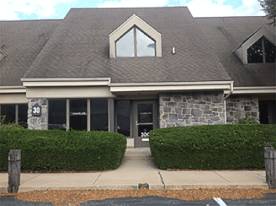
Vanasse Law LLC is conveniently located just north of center city Lancaster just off Route 30. We are in Sterling Center just off Lititz Pike/Route 501. Our office has plenty of free parking and is handicapped accessible.
Located in Lancaster, Pennsylvania, Vanasse Law LLC serves injured workers throughout Lancaster County and surrounding communities.
© 2018 by Vanasse Law LLC. All rights reserved. Sitemap | Disclaimer | Privacy Policy